
Designing for Kids: 5 Essential Tips to Unlock Their Visual World

Designing for children is a unique challenge that blends creativity with a deep understanding of how kids see and interact with the world. As a children's book illustrator and fabric designer with a background in art education, I’ve learned that successful designs for kids go beyond bright colors and playful shapes. They tap into how children perceive visuals, learn, and engage with stories and textures. Whether you’re creating kid lit illustrations or fabric design for children’s products, these 10 tips will help you connect with young audiences in meaningful ways.

1. Understand Children’s Visual Perception
Children see the world differently than adults. Their brains are still developing, so they respond strongly to high contrast, bold shapes, and clear outlines. Young children especially prefer simple, recognizable forms over complex details. When designing, keep shapes distinct and avoid clutter. This helps kids focus and understand the image quickly.
2. Use Color Thoughtfully
Color grabs children’s attention and can evoke emotions. Bright, saturated colors work well for younger kids, but older children appreciate more nuanced palettes. Use color to guide the eye, highlight important elements, or create mood. For example, in fabric design, a palette of soft pastels can feel calming, while vibrant primaries energize a design.
3. Incorporate Storytelling Elements
Children connect deeply with stories. In children’s book illustration and kid lit, every image should support the narrative. Think about how your visuals tell a story on their own or complement the text. Use characters’ expressions, body language, and settings to add layers of meaning that kids can explore.
4. Keep Scale and Proportion Kid-Friendly
Kids relate better to images that feel familiar in scale. Oversized objects or exaggerated proportions can be fun but should be used intentionally. For example, a fabric design featuring large, friendly animals can feel inviting and playful. Avoid tiny, intricate details that children might miss or find frustrating.
5. Emphasize Texture and Pattern
Children love tactile experiences. In fabric design, texture can be visual or physical. Use patterns that suggest softness, movement, or fun textures. Visual texture in illustrations can also add interest—like the rough bark of a tree or the fluffiness of a cloud. These details invite kids to imagine and explore.

6. Balance Simplicity with Detail
While simplicity is key, children also enjoy discovering small details in images. In children’s book illustration, this balance keeps kids engaged without overwhelming them. For example, a simple background with a few hidden objects encourages curiosity and repeated viewing.
7. Design for Interaction
Kids learn by interacting with their environment. If your fabric design is for clothing or toys, consider how children will touch, move, and use the item. Durable materials and washable fabrics matter. For illustrations, think about how kids might point, trace, or talk about the images.
8. Reflect Diversity and Inclusion
Children benefit from seeing themselves and others represented in design. Include diverse characters and cultural elements in your kid lit illustrations and fabric designs. This fosters empathy and helps all children feel valued and understood.
9. Use Repetition and Rhythm
Repetition helps children recognize patterns and build understanding. In fabric design, repeating motifs create rhythm and harmony. In children’s book illustration, repeated visual themes or colors can reinforce story elements and make the design cohesive.
10. Test Designs with Kids
Nothing beats real feedback from your audience. Show your designs to children and observe their reactions. Notice what captures their attention, what confuses them, and what they enjoy. This insight is invaluable and can guide you to refine your work for better connection.
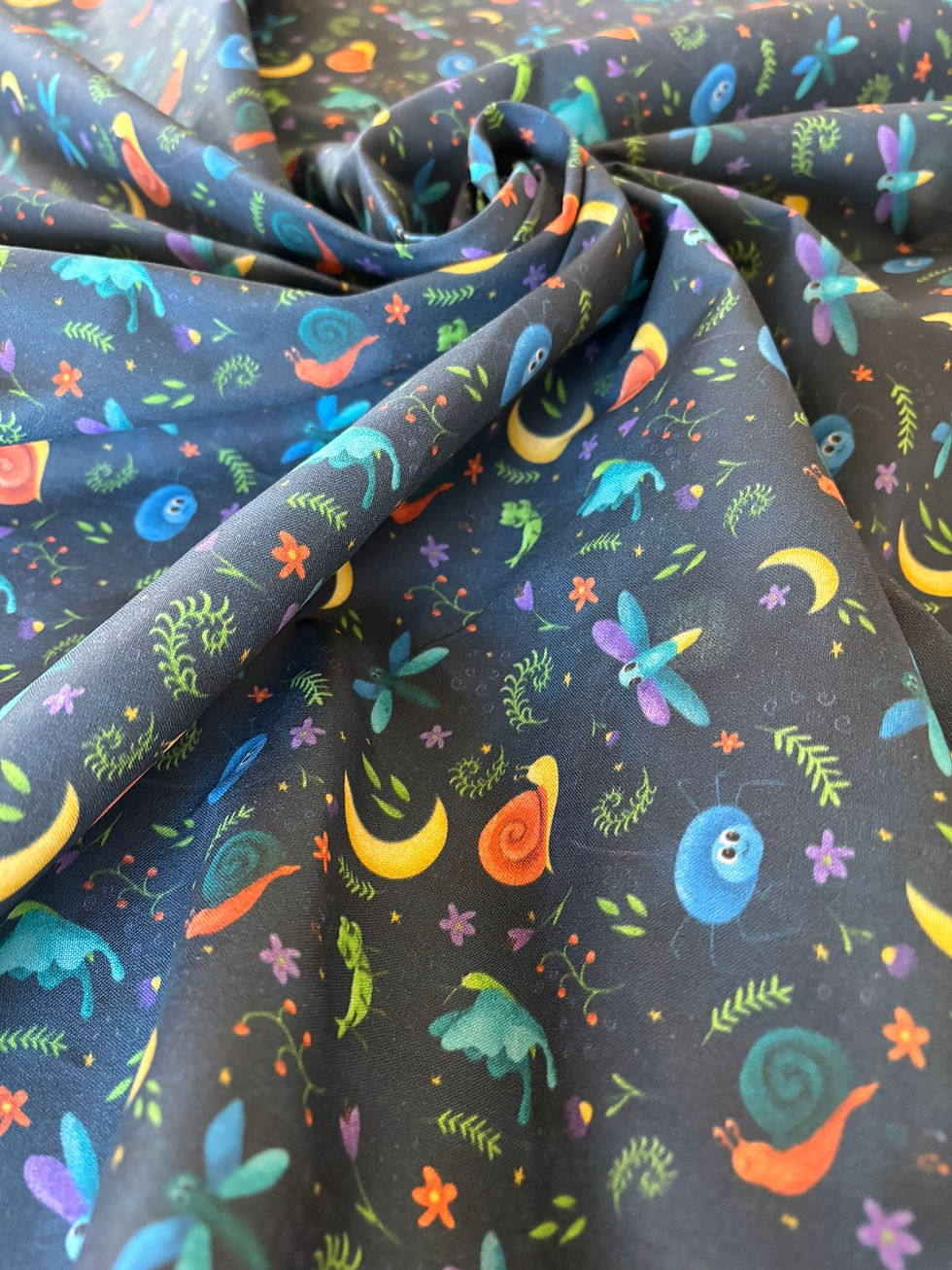
Designing for children means stepping into their world and seeing through their eyes. By combining knowledge of children’s visual perception with thoughtful storytelling and practical design choices, you can create illustrations and fabric designs that delight and inspire. Whether you’re working on children’s book illustration or fabric design, these tips will help you unlock the visual world of kids and create work that truly resonates.
Start experimenting with these ideas today, and watch how your designs come alive in the hands and hearts of children.
Comments